7359 I-49 S. Service Road, Opelousas, LA 70570
1-888-381-4904

Menu
Close
7359 I-49 S. Service Road, Opelousas, LA 70570
1-888-381-4904

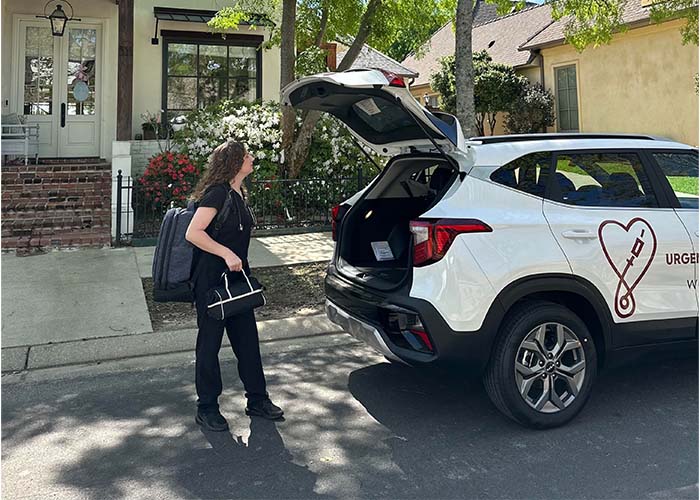
Dealing with shingles can be daunting, especially for seniors. However, with the option of at-home care, your elderly loved one can rest comfortably in familiar surroundings while receiving adequate treatment for shingles. This approach promotes faster recovery and involves family members, adding an extra layer of support and peace of mind.
At-home shingles care includes several treatments aimed at easing discomfort and speeding up recovery:
Shingles typically affect a small part of one side of the body or face, often developing as a band around the torso. Common symptoms include:
Some individuals may also experience:
Pain is often the first symptom and can be intense. Depending on its location, it can be mistaken for heart, lung, or kidney problems. Some people experience pain without developing a rash, while others may have mild symptoms involving only itching. Most cases of shingles last about three to five weeks.
Shingles are caused by the varicella-zoster virus (VZV), the same virus responsible for chickenpox. After recovering from chickenpox, the inactive virus lives in some nerve cells. It may eventually reactivate and travel along nerve pathways to the skin, causing shingles. While most people who carry the VZV virus never develop shingles, about one in three adults will experience reactivation.
Factors that increase the likelihood of shingles include:
Prevention
Two vaccines can help prevent shingles in seniors:
Shingrix is recommended for people aged 50 and older, including those previously receiving Zostavax. However, it should not be administered to individuals who are ill, have a fever, a weakened immune system, or have had an allergic reaction to the vaccine. Consult a doctor before scheduling the vaccine. All Medicare Part D plans and most private insurers cover the shingles vaccine.
If you suspect your elderly loved one has shingles, consult a medical professional immediately, particularly if the pain and rash occur near an eye, as this can lead to permanent eye damage. Early treatment can ease pain and help blisters dry up faster. Shingles can be managed at home, and hospital stays are rarely required. Here are some tips to help seniors feel better during recovery:
While shingles are not contagious, they can transmit the chickenpox virus. To limit the spread, seniors should keep the rash covered, avoid touching it, and wash their hands frequently.
At-home shingles care offers seniors a convenient, effective way to manage their condition while receiving the support and comfort they need.